Itemized Receipt Generator
List each purchase with its quantity and unit price. Review the calculated line amounts, then enter the receipt total or use the item sum before downloading.
Last updated
Show the items behind the total
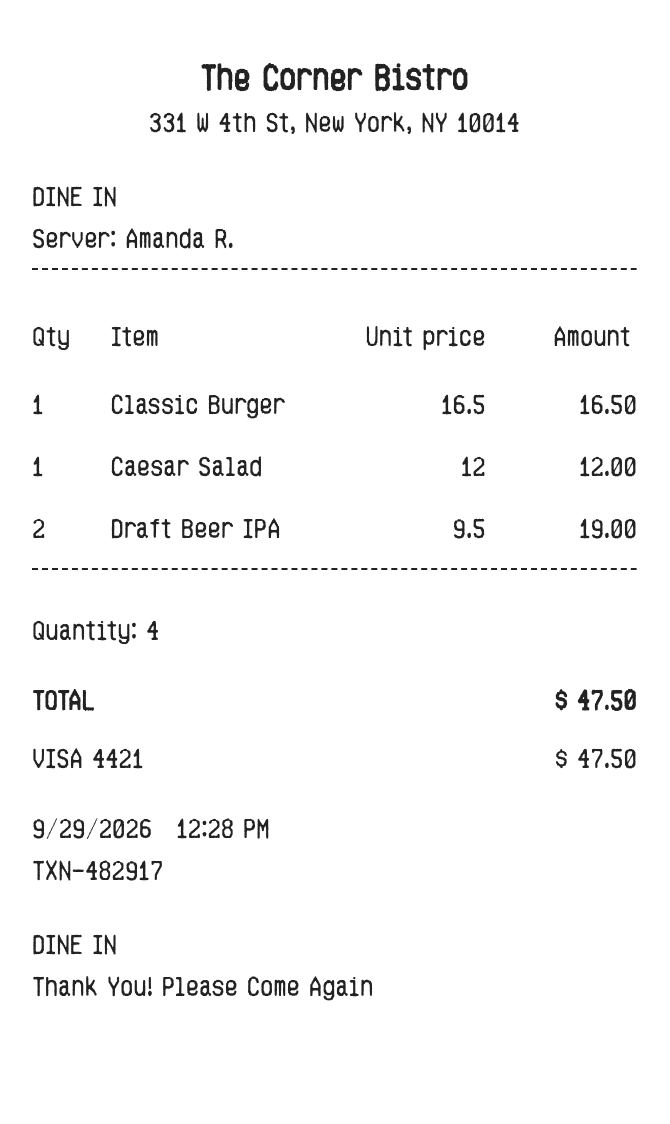
This itemized receipt template has separate columns for quantity, description, unit price and line amount. It also displays the total quantity purchased. The final receipt total is entered separately, so it can remain unchanged after an item edit until you update it yourself.
Why an itemized receipt matters for records
An itemized receipt lists each product or service with its own price instead of a single total. That detail is what tax and benefit rules look for. The IRS says supporting documents for business purchases and expenses should identify the payee, the amount paid, proof of payment, the date incurred, and a description showing the amount was for the business. The IRS notes that a combination of documents may be needed to cover every element, and a receipt with item descriptions supplies the description part. It lists cash register tapes, receipts, invoices and credit card receipts among acceptable supporting documents.
For travel and meals, IRS Publication 463 says documentary evidence is ordinarily adequate if it shows the amount, date, place and essential character of the expense. A hotel receipt should show the hotel's name and location, the dates of the stay and separate amounts for lodging, meals and phone calls. A restaurant receipt should show the restaurant's name and location, the number of people served, and the date and amount, and must show any charge for items other than food and beverages. Each separate payment is generally a separate expense and should be recorded separately.
Using an itemized receipt for expenses and FSA claims
Health flexible spending account plans must substantiate claims with information from an independent third party. In IRS Chief Counsel memo 202317020, a compliant plan relied on third-party information describing the service or product, the date of service or sale, and the amount of the expense. An itemized receipt from the merchant or provider can carry all three details; a summary you write yourself is not independent.
Keep itemized receipts organized by year and by type of income or expense. Records supporting a deduction are generally kept for 3 years from the date you file the return that claims it.
Check the items and the printed total
| Section | Details |
|---|---|
| Business | Enter the seller name and address. |
| Purchase details | Set the date, time, transaction ID and cashier or server. |
| Items | Add a clear description, quantity and unit price for each row. |
| Line amounts | Review quantity multiplied by unit price for each item. |
| Receipt total | Enter the final amount manually, or click Use sum of items to copy the calculated item sum. |
Related receipt guides
Refresh the total after changing an item
- For two items priced at 9.50, the line amount is 19.00. That calculation updates with the item, but the final total and matching payment amount use the separate Receipt total field.
- Use sum of items copies the current sum once. Repeat it after further edits if the receipt total should equal the item sum. This layout has no separate tax or tip controls.
FAQs
Official sources
- IRS - Publication 463, Travel, Gift, and Car Expenses
- IRS - What kind of records should I keep
- IRS - Chief Counsel Memorandum 202317020 (FSA substantiation)